Japan LCL Oversized Equipment under DAP
How a smarter consolidation method tames destination port fees and delivers DAP terms reliably
Shipping a single oversized machine to Japan on DAP terms is one of the riskiest jobs in LCL. Destination port unstuffing, lifting, and storage fees can quietly stack up to several hundred USD — sometimes more than the ocean freight itself — and under DAP the seller absorbs every invoice. This case study walks through how we re-routed a 1-ton, 5+ CBM machine through a “whole-container direct pickup, off-port unstuffing” flow to cut destination fees by more than half and shave nearly a week off the schedule.
Client & Cargo Profile
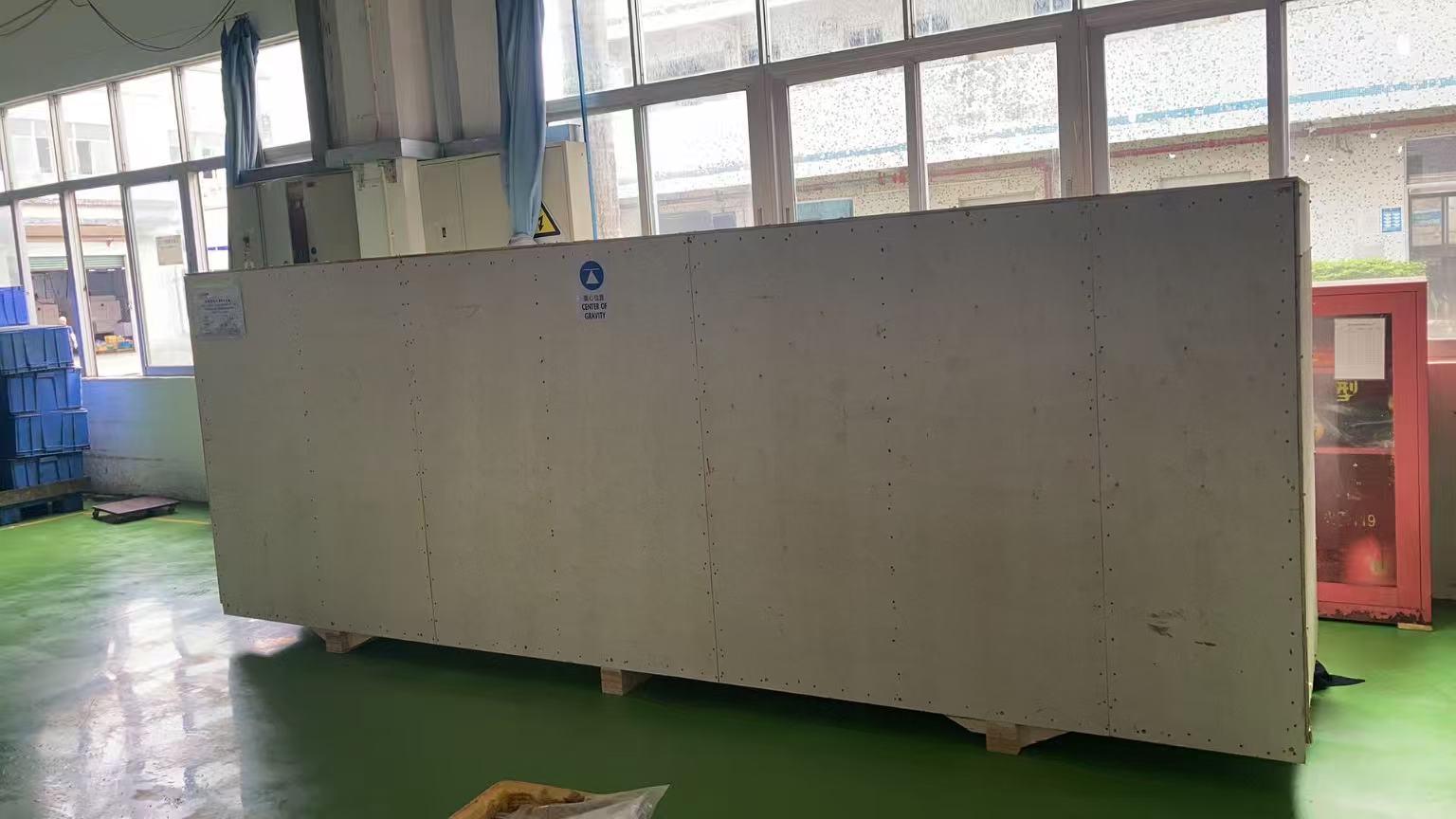
- Client: A machinery equipment factory shipping to a Japanese end customer.
- Cargo: One large piece of industrial machinery — over 1 ton, more than 5 CBM after crating.
- Incoterm: DAP (Delivered at Place) — the seller bears all transport risk and all costs to the consignee's door.
The Pain Points
- Oversized handling: the piece needs forklifts and rigging at every touchpoint — standard LCL warehouses are a poor fit.
- Opaque destination fees: traditional LCL has a complex destination fee structure, and Japan ports in particular charge aggressively for any non-standard cargo.
- DAP risk concentration: under DAP the seller pays everything at destination — unstuffing, lifting, storage, last-mile. One unexpected port invoice can wipe out the margin on the shipment.
Why the Usual Options Fail
For a single 1-ton, 5+ CBM piece, the two default playbooks both break down:
- Pay up for traditional LCL: ocean freight per CBM jumps because of the weight-volume ratio, and you still get hit with extra lifting fees at destination.
- Standard LCL consolidation: cargo gets stuffed into a shared container with other small shipments. The destination unstuffing house bills per house bill, and oversized pieces always need additional lifting and shifting inside the warehouse. Unstuffing + lifting + storage routinely stack into the hundreds of USD — and have been known to exceed the ocean freight charge itself.
Our Solution: Smart “Whole-Container Pickup, Off-Port Unstuffing”
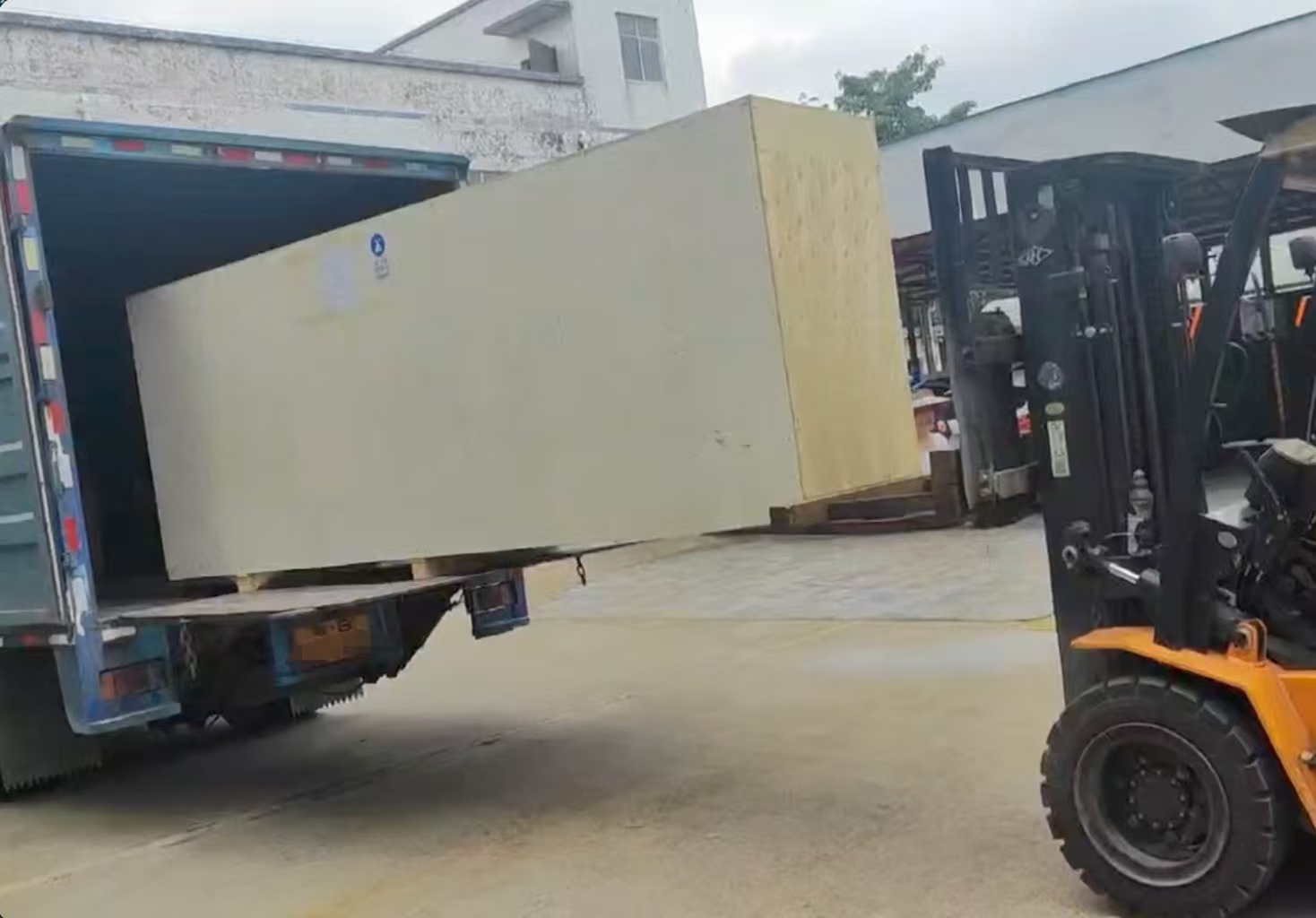
Instead of treating the piece as standard LCL, we slot it into an express vessel's fast-pickup service using a “half-FCL” arrangement — one shipper's cargo dominates the container, but it's still booked under a consolidation framework. Three things fall into place:
1. Bypass the high destination unstuffing fees
How: at origin, we pre-arrange with the carrier and our Japan partner for “direct container pickup, off-port unstuffing.” The cargo occupies the main interior space of the container (with dunnage as needed), and on arrival the container does not enter the LCL warehouse. Instead it is pulled directly off the dock and trucked to a logistics point near the consignee, where it is unstuffed and delivered.
Result: the traditional LCL warehouse's lifting, unstuffing, and storage charges disappear. Destination fees collapse to FCL THC + drayage + simple unstuffing labor — more than 50% lower than standard LCL destination fees on comparable Japan lanes.
2. Clean execution of DAP
With the container pulled off the dock and unstuffed under our control, every cost line is transparent and locked in advance. The consignee never has to advance fees or chase port invoices — exactly what DAP requires: seller pays, seller controls, all the way to the door.
3. Faster than regular LCL
Traditional LCL adds 3–5 days at destination waiting for unstuffing, batch consolidation, and onward dispatch. Our flow on this shipment looked like:
- Friday: container loaded at origin
- Following Tuesday: vessel sails
- Same week, weekend: arrival at Japan port
- Following week: clearance + container pickup + off-port unstuffing + door delivery
About one full week faster than the standard LCL path.
Execution Timeline
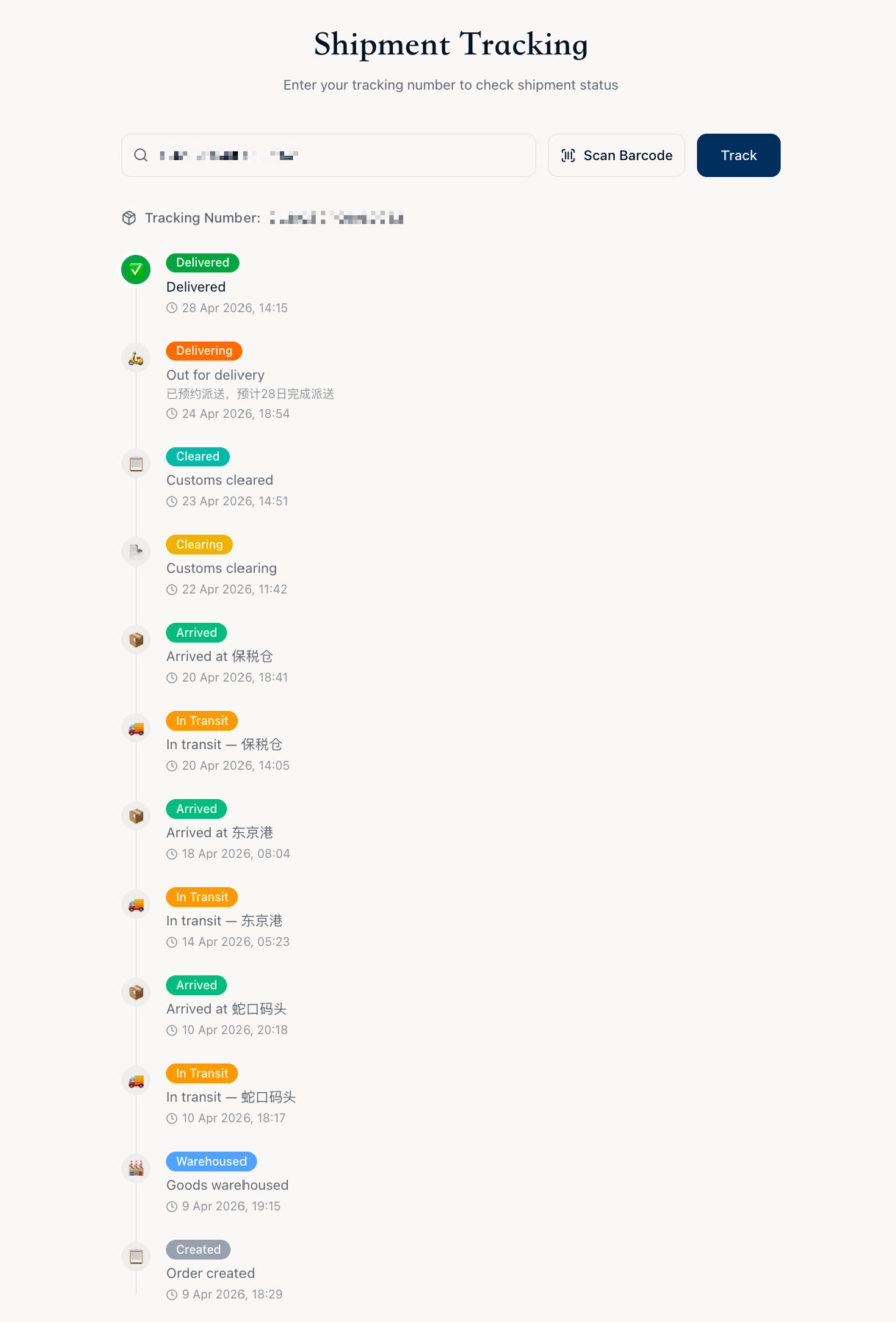
Actual tracking record from the shipment — visible status from warehouse-in at origin through customs clearance and final delivery to the consignee.
Client Feedback
“Previously on Japan LCL, our 5+ CBM, 1-ton machine would get hit with destination port fees of ¥50,000–60,000 (3,000+ RMB), and delivery was always late. This time with the new consolidation method, port fees were cut in half, transit was almost a week faster, and we can finally quote DAP with confidence.”
Key Takeaways
For oversized cargo to Japan on DAP terms (typically 1–3 tons, 5–10 CBM), traditional LCL is rarely the right answer. The “whole-container direct pickup, off-port unstuffing” approach simultaneously delivers:
- Destination port fees down 50%+ compared with standard LCL
- DAP executed cleanly — no surprise invoices for either side
- 3–7 days faster end-to-end
Want to Test This on Your Shipment?
Send us your dimensions, weight, and consignee address — we'll prepare a free side-by-side cost comparison (traditional LCL vs. smart consolidation) and an end-to-end DAP quote.
 WeChat
Scan to add on WeChat
 WhatsApp
Scan to chat on WhatsApp
 LINE
LINE
Scan to add on LINE
Note: Photos are from the actual shipment. Identifying details have been redacted for client privacy. All transport complies with relevant international maritime safety standards and import/export regulations.