Shenzhen to Manila CIF: APEC Controls, a 3-Day Delay, and Live Vessel Tracking
When port congestion pushed the sailing, daily position updates did more for the customer than a perfect schedule would have
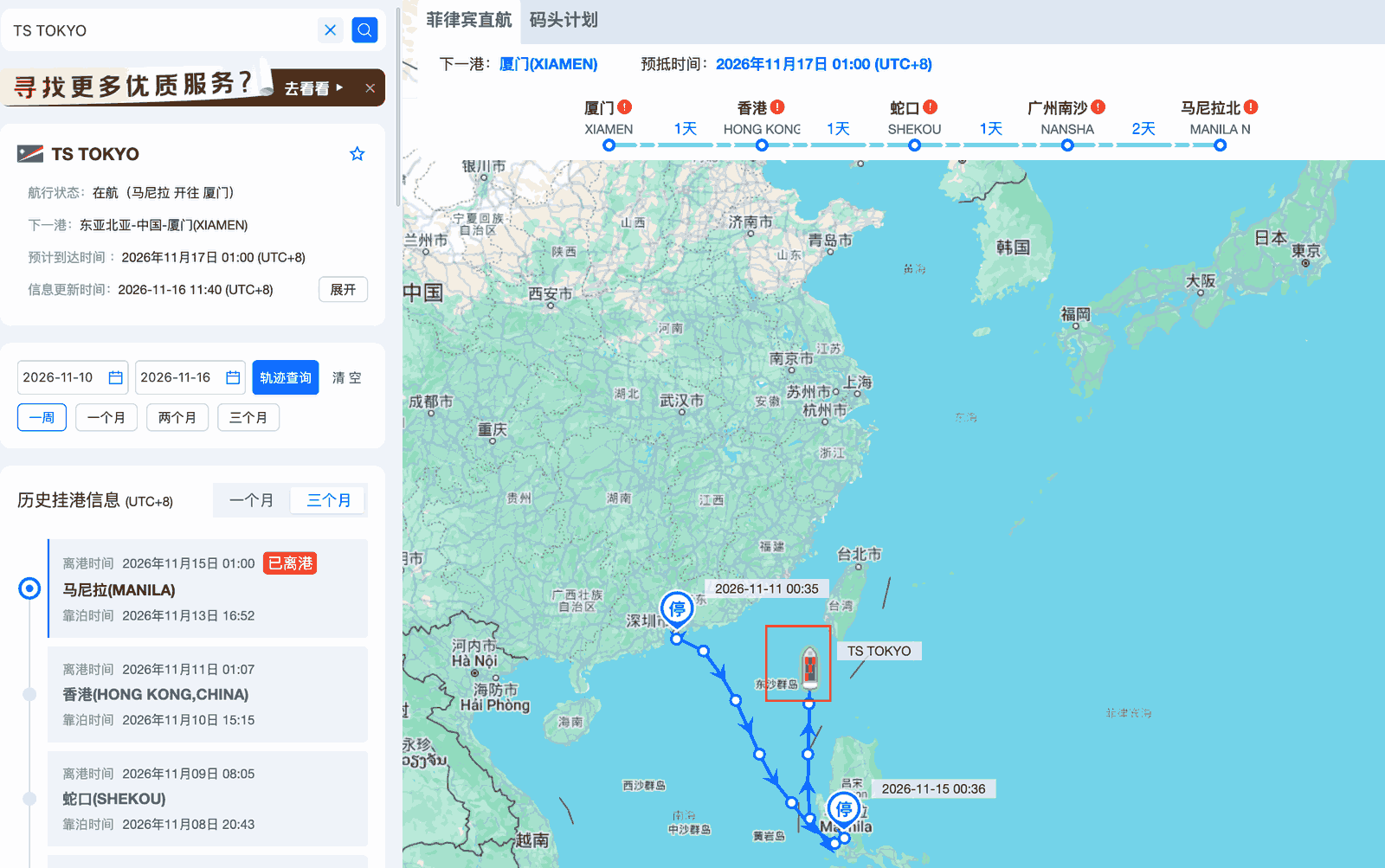
The cargo was picked up in Shenzhen, received into a Sinotrans supervised warehouse, and cleared through an online customs authorization. Then an external variable intervened: water-traffic controls around the 2026 APEC meetings in Shenzhen congested the terminal and pushed the sailing back three days. The response was not a promise that everything was fine. It was a delay notice with a reason, a daily vessel position, a locked new sailing date, and confirmation that the cargo had not been rolled.
At a Glance
| Item | Detail |
|---|---|
| Origin | Shenzhen, China |
| Destination | Manila North Port, Philippines |
| Mode | LCL ocean consolidation |
| Incoterm | CIF Manila North |
| Special variable | Water-traffic controls during the APEC meetings in Shenzhen |
The Background: CIF Is Simple Until Something Moves
We handle CIF shipments from any port in China to destinations worldwide, for both FCL and LCL, with fast quotations and a mature operating chain. Under CIF, we arrange export clearance, booking, ocean freight, and insurance, and we provide a clean bill of lading. Risk transfers to the buyer once the cargo is on board, and the buyer handles import clearance and destination taxes.
The mechanics are not complicated. What separates providers is how they respond when the schedule breaks. This shipment’s variable was entirely external: from 5 November 2026, the Shenzhen Maritime Safety Administration enforced APEC-period water-traffic controls in three levels, with the strictest level on 18–19 November. Terminal productivity fell, vessel movements were restricted, and yard turnover slowed.
The customer’s three requirements were straightforward:
- Book on time.
- Be told about problems before they become surprises.
- Know where the cargo is at every stage.
The Operating Flow
Step 1 — Pickup in Shenzhen and receipt at the Sinotrans supervised warehouse
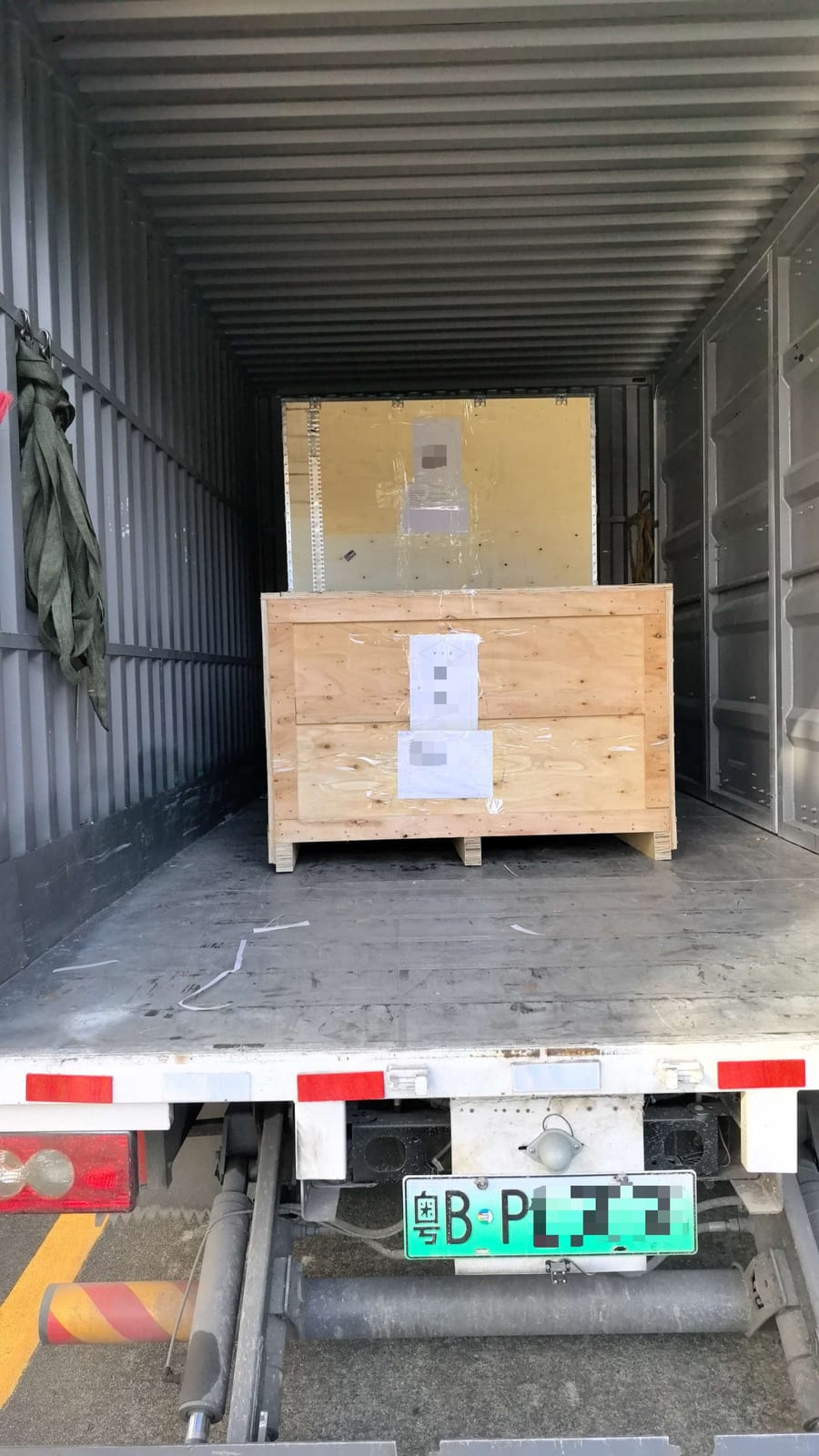
A truck collected the cargo from the customer’s location and delivered it to the Sinotrans supervised warehouse. Under this model, the cargo is physically consolidated before export, and declaration, inspection, and container loading all happen inside the same supervised system, cutting the time lost moving between yards. LCL cargo is consolidated with other shippers on the same lane, and the co-loader books the space with the carrier.
Step 2 — Online customs authorization through the Sinotrans system
The customer was guided to the Sinotrans online declaration platform to initiate the authorization. They entered the mandate details, uploaded supporting documents, confirmed the scope, and submitted — completing the electronic engagement without mailing paper documents. That bought time for the declaration that followed. Because Sinotrans operates both the warehouse and the declaration service, authorization, filing, and inspection stay inside one system with fewer handoffs.
Step 3 — Export declaration
The declaration was filed at the supervised warehouse. Product names, HS codes, and declaration elements had been reviewed at intake, and the filing entered customs review. LCL cargo is declared per shipment, so each shipper’s declaration and the consolidated container loading progress in parallel inside the warehouse.
Step 4 — Consolidation and container loading
The cargo was consolidated, loaded, and the container sealed inside the supervised warehouse. The core variable in LCL is waiting for the container to fill: on a normal day that takes one to two days. Here the container was still gathering volume when the APEC control window opened, so the wait overlapped with terminal congestion and ate further into the schedule buffer.
Step 5 — APEC controls: congestion and a three-day delay
The consolidated container was loaded and drayed to the terminal inside the control window, then met congestion at the gate. The originally booked sailing could not berth and load, and the carrier advised a three-day delay.
Our response had four parts:
- The carrier’s delay notice went to the customer immediately, with the cause stated plainly: APEC controls, not a cargo or documentation problem.
- A daily vessel position was pushed to the customer, showing where the ship was, whether it had berthed, and whether it had departed.
- Once the carrier confirmed the schedule, the new sailing date and estimated arrival were locked and shared.
- For the LCL cargo specifically, we confirmed that the shipment’s loading status inside the container was secured and would not be rolled while waiting.
Step 6 — Tracking from departure to Manila
The container eventually loaded and sailed. Vessel position updates continued for the customer until arrival at Manila North Port, where the destination co-loader deconsolidated the container and released each shipment to its consignee.
Customer Feedback
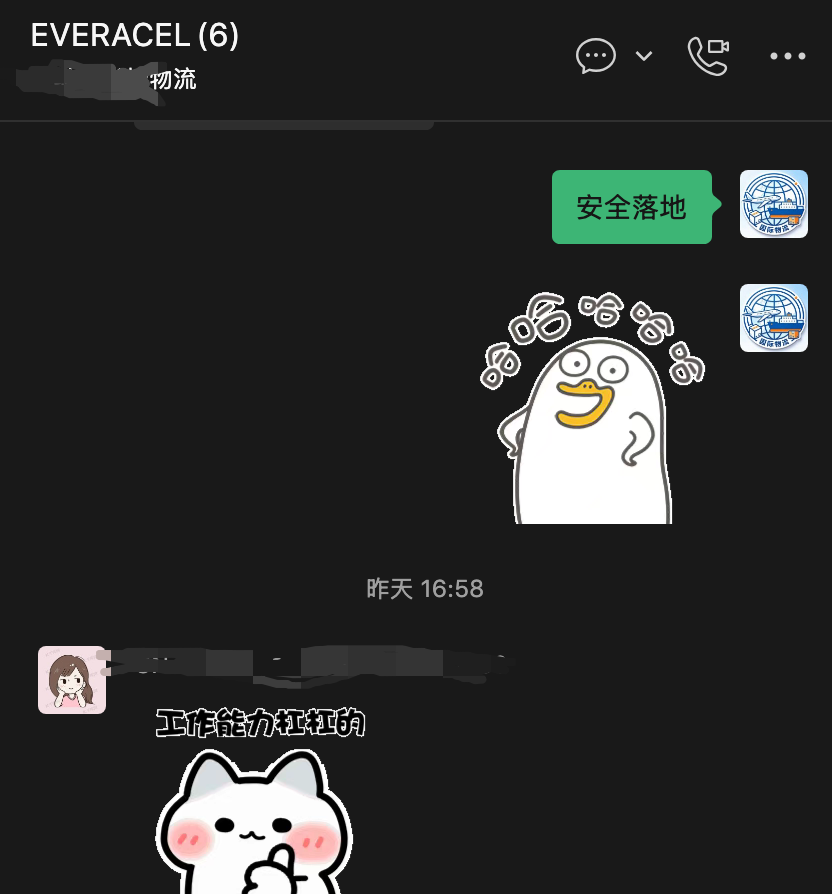
During the delay the customer had a clear cause, a daily vessel position, and a confirmed new schedule — not the usual silence after cargo leaves the warehouse. The customer later acknowledged the transparency of the exception handling. That is the real test of a CIF service: not how smoothly a routine booking runs, but whether someone is watching and reporting when the schedule moves.
What CIF Covers
| Party | Responsibility |
|---|---|
| Seller / us | Export clearance, booking, ocean freight, insurance, and a clean bill of lading |
| Buyer | Import clearance, duties and taxes, and all risk once the cargo is on board |
We cover CIF shipments from any port in China to any overseas port, FCL or LCL, with quotations ready on request. The terms are standard; the difference is in the exception handling.
When This Model Fits
- Cargo ships from any Chinese port to Manila, north or south.
- Volumes are below a full container, and CIF pricing gives the buyer cost certainty.
- Transparency during disruption matters as much as the freight rate.
- Fellow forwarders need stable CIF handling on the China side.
The Result
The container sailed three days later than booked, but the customer never lost sight of it. The delay was attributed correctly to external controls, the new schedule was confirmed as soon as the carrier released it, and the LCL shipment was never rolled. The cargo reached Manila North Port, was deconsolidated, and moved into destination delivery — with the customer’s feedback confirming that the updates, not the delay, defined the experience.
Need a CIF quote from China to Manila?
Tell us the cargo, volume, and destination port. We will come back with an FCL or LCL CIF quote, the documents we need from you, and a clear view of who handles what at destination.
 WeChat

Scan to add on WeChat
 WhatsApp

Scan to chat on WhatsApp
 LINE

Scan to add on LINE
Note: Photos and screenshots are from the actual shipment. Identifying details have been redacted for client privacy.